CAB V CAB:
TWO CABERNETS, EIGHT MILES APART
What Happens When You Make Two Cabernets Exactly Alike?
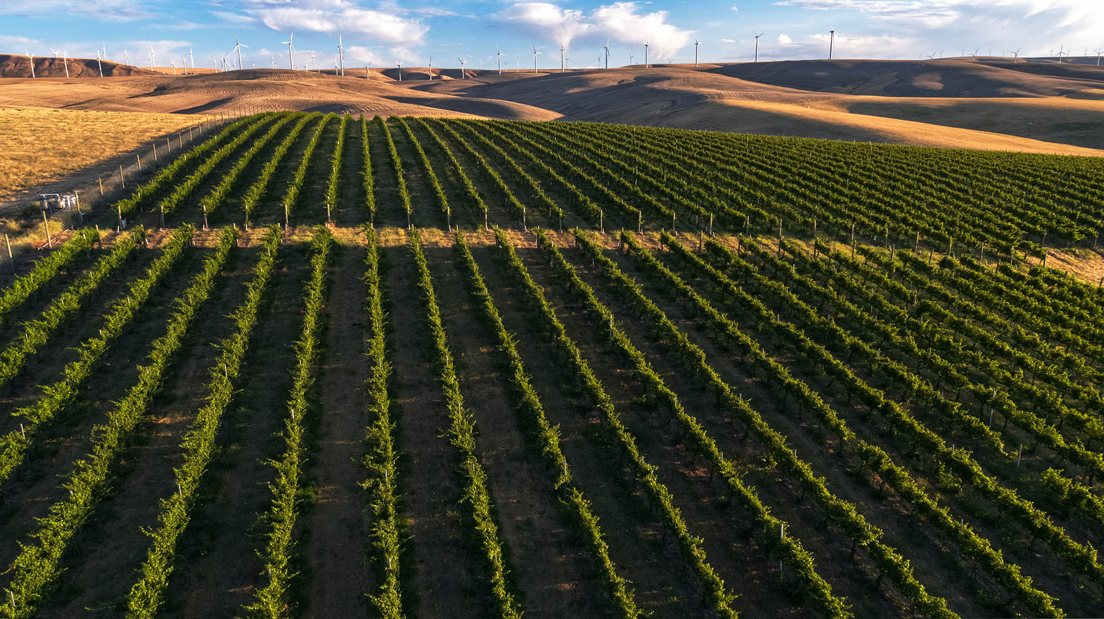
We made two Cabernet Sauvignons side by side. Same varietal. Same harvest date. Same cold soaks, same yeast strains, same barrel program and the same bottling date.
Our winemaking team handled both wines exactly alike, so the only thing left to change what is in the glass is the ground the grapes grew in.
The only difference: eight miles.
That is the idea behind the 2023 Capital Call Cabernet Sauvignon from Carbondale and the 2023 Capital Call Cabernet Sauvignon from Wheatfield. Less of a competition, more of an exploration in terroir.
What Makes the Two Vineyards So Different?
Both vineyards sit in the Walla Walla Valley AVA, a region where elevations range from 400 to 2,000 feet. One vineyard sits at the bottom of the valley and the other on the hillside. Here is what we know about each.
Carbondale Vineyard: Up on the Foothill
Carbondale is a small vineyard, about 6.55 acres, planted entirely to Cabernet Sauvignon. It sits at the top of a foothill in Milton-Freewater, Oregon, just south of the Washington line, where the slope gives the vines good air drainage and a view over the valley below.
Cold air drains off a hillside instead of pooling around the vines. That keeps the fruit clean and helps it ripen evenly. Carbondale is farmed by Nick MacKay and Results Partners, a vineyard management company founded in 1985.
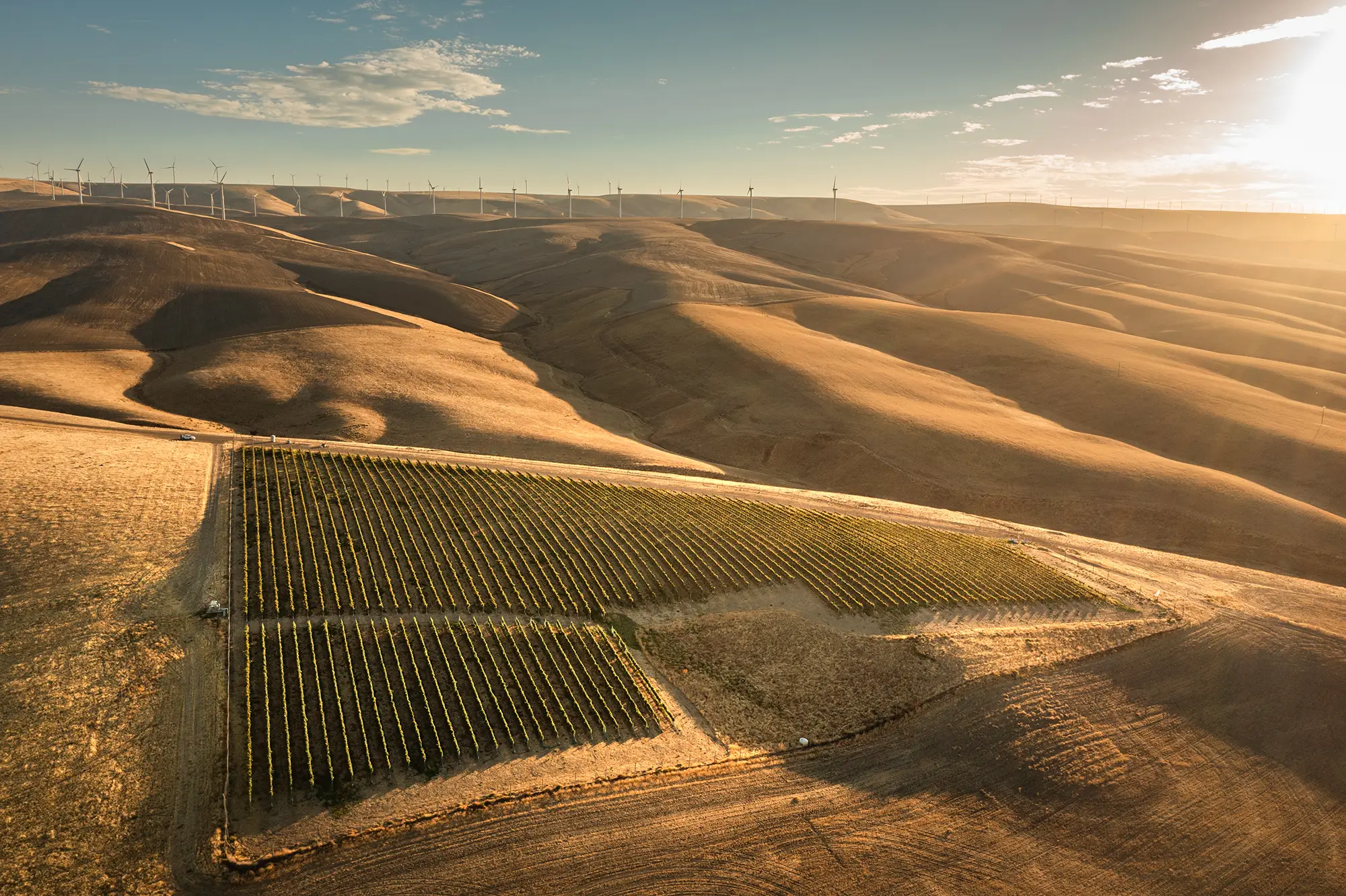
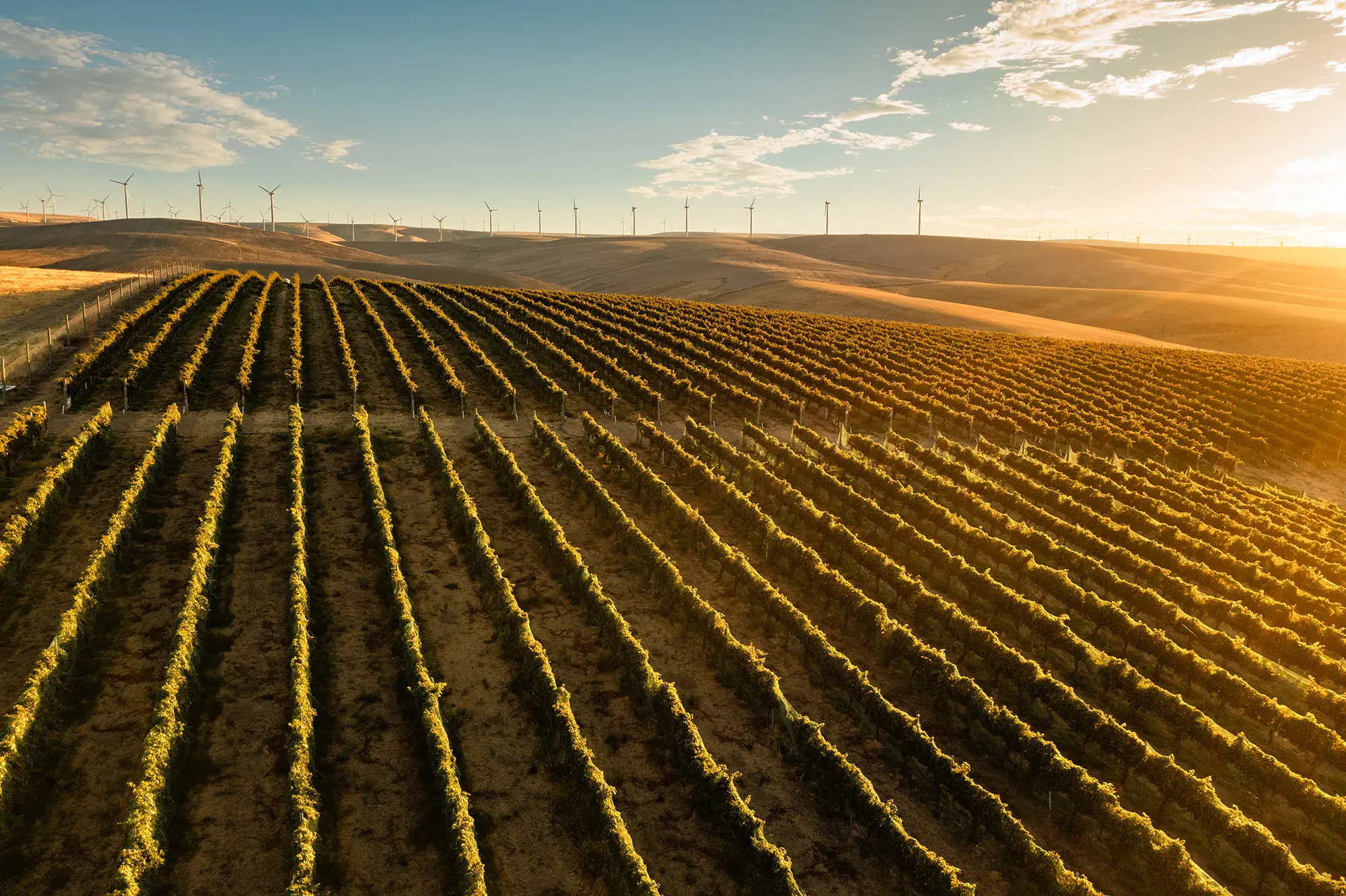
Carbondale is a throwback to old-school Walla Walla Cab.
Wheatfield Vines: Down in the Valley
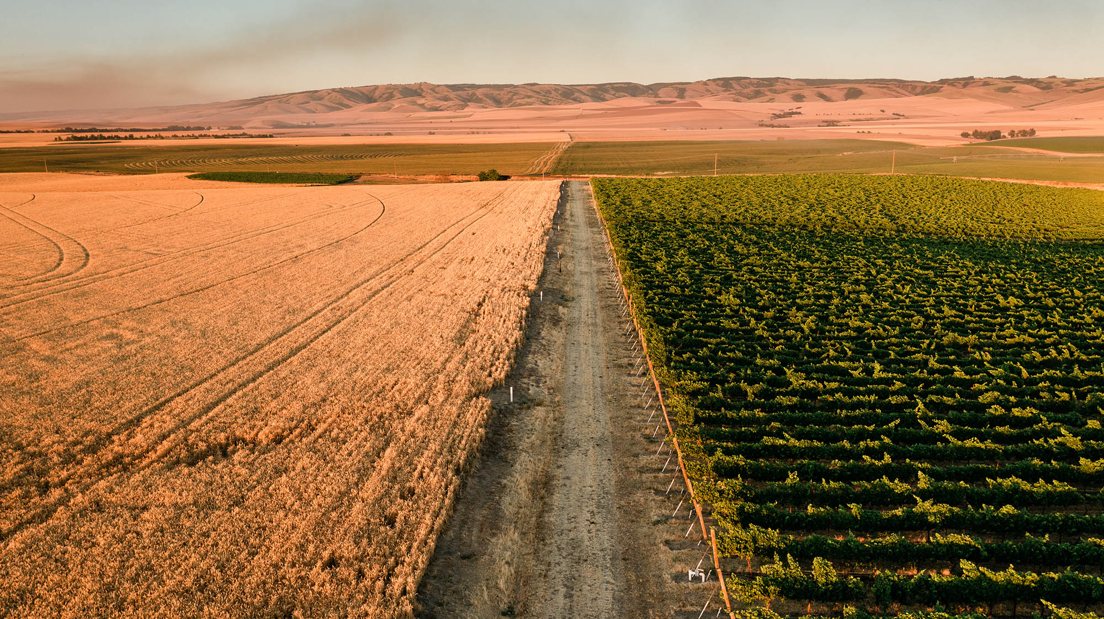
Wheatfield Vines is our estate vineyard, set at the edge of the Blue Mountains about two miles from downtown Milton-Freewater. Its rolling, south-facing ground is planted on Oliphant and Onyx silt soils, and the site gets 14 to 16 inches of rain a year, mostly in winter.
The growing season runs about 200 days of hot days and cool nights, with a steady southwest breeze moving through the rows. Those big temperature swings are a big part of why Walla Walla fruit builds both flavor and structure. The vines are trained on vertical shoot positioning, which keeps the canopy tidy and lets the clusters see even sun.
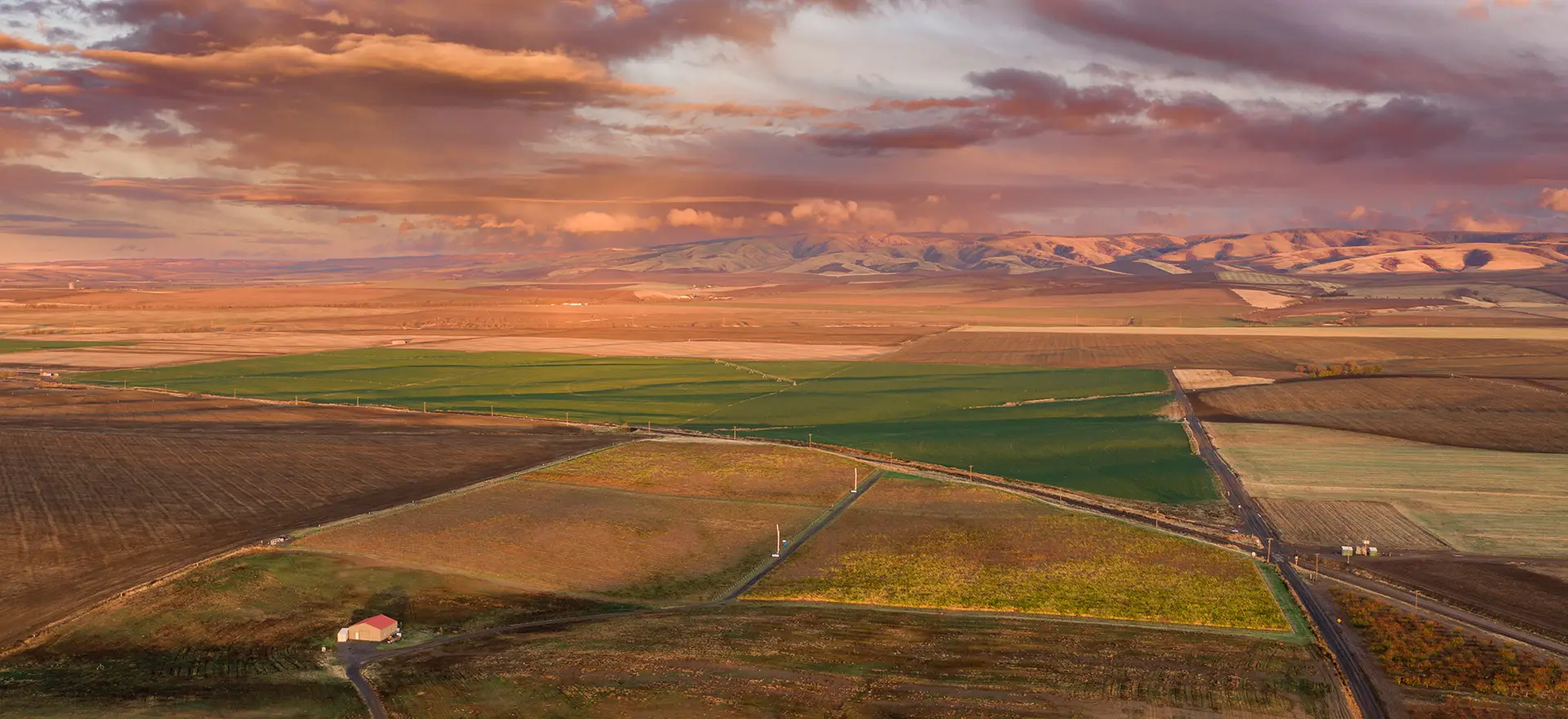
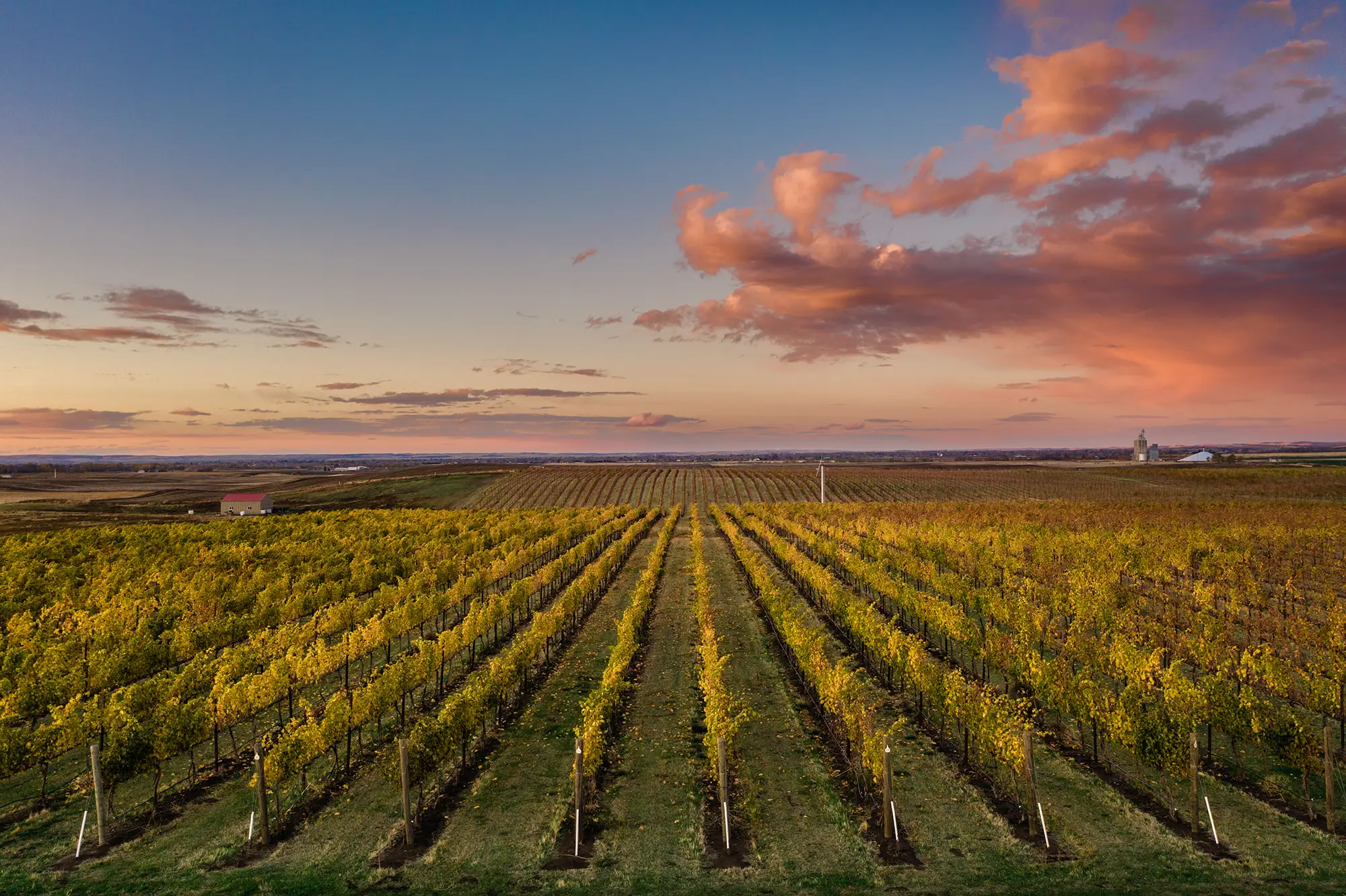
Wheatfield leans darker and more brooding.
How Did We Make Them the Same?
Everything in the cellar followed one plan. Both Cabernets were harvested on October 17, 2023, and both went through a three-day cold soak before fermentation. Both were fermented with the same RP15 yeast and spent 21 days in total on the skins. Both went through 100% malolactic fermentation, which softens the wine and rounds out the acidity.
Both then aged for 22 months in a barrel program that was 67% new French oak, and both were bottled on August 26, 2025. Each finished at 15.0% alcohol.
When every step is the same, the vineyard is the only thing left to explain the difference. That is exactly what we wanted to taste.
When every step is the same, the vineyard is the only thing left to explain the difference.
What Does Each Cabernet Taste Like?
Carbondale is a throwback to old-school Walla Walla Cab: red fruit character, dusty tannins, rusty color, bright acidity, with the dried herbal note on the nose. Wheatfield leans darker and more brooding, black fruit character, more of a spice cabinet on the nose, richer and denser, more fruit-forward.
Josh Maloney, Winemaker
2023 Capital Call Carbondale
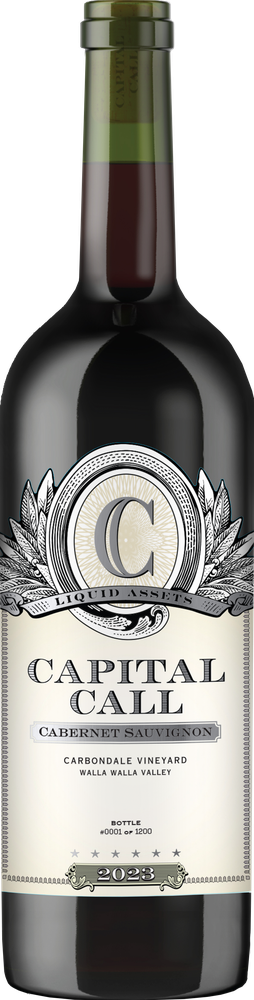
From a small foothill vineyard with great air drainage and a view over the valley. Rich and earthy, with cherry, cola, hazelnut, graphite and freshly cracked black pepper. Silky tannins and balanced acidity give it a lively finish. Open it now or let it age. Try it with a steak salad and blue cheese or an herby mushroom risotto.
2023 Capital Call Wheatfield
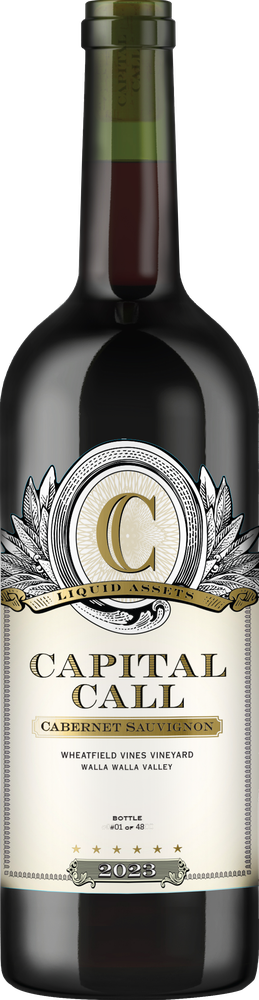
From our estate Wheatfield Vines Vineyard. Medium-bodied with spiced cherry, blackberry and plum jam, plus hints of sage and oregano. More luscious Walla Walla Valley fruit, with refined tannins and elegantly balanced acidity. A natural match for a classic prime rib dinner. Wheatfield earned 90 points from Decanter.
A natural match for a classic prime rib dinner.
Which Cabernet Is Right for You?
You do not have to choose. Both wines are limited releases, and the best way to understand what terroir does is to taste them side by side with the same meal.
Carbondale is available to everyone. Shop the 2023 Carbondale online. Wheatfield is a member exclusive. Shop the 2023 Wheatfield if you are a member, or join the wine club to unlock it.
What Is Hiding on the Label?
Every Capital Call label hides a detail that shows up under a black light, inspired by the watermarks on money. Bring a flashlight to dinner.
Two vineyards, one cellar, eight miles apart. Taste what the ground does.